
Curriculum Area: Food and Nutrition
Curriculum Leader: Ms L Mullaney
Food and Nutrition Curriculum Map
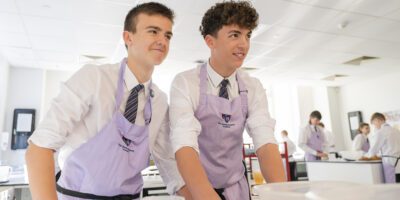
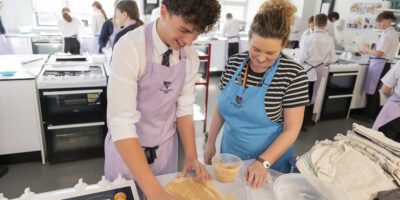

Intent:
At The Queen Elizabeth Academy, the intent of the Food Technology curriculum is to provide pupils with the practical skills, theoretical knowledge and confidence needed to make informed food choices and to prepare nutritious meals safely and creatively. Across Key Stages 3 and 4, pupils develop independence, resilience and transferable skills that support both everyday life and future career pathways.
Welcome to the Food and Nutrition Department:
Developing students’ metacognition by linking Food and Nutrition to other subjects especially Geography and History, while also recognising and expanding their opportunities to increase their social capital.
Key Stage 3 – At Key Stage 3, pupils develop a strong foundation in food preparation and cooking through hands-on, practical learning. The curriculum focuses on essential kitchen skills, food hygiene and safety, nutrition and healthy eating, alongside an understanding of food provenance and sustainability. Pupils are encouraged to work creatively and independently while gaining the confidence needed to plan, prepare and evaluate a range of dishes. This stage prepares pupils with the core knowledge and skills required for progression into vocational food-based study at Key Stage 4.
Key Stage 4 – Hospitality and Catering – At Key Stage 4, Food Technology is delivered through a vocational Hospitality and Catering qualification, designed to reflect real-life working practices within the hospitality industry. Pupils develop advanced practical skills alongside an in-depth understanding of nutrition, menu planning, customer needs, food safety and operational practices. The curriculum emphasises employability skills such as time management, teamwork, problem-solving and professional standards of presentation. This vocational focus prepares pupils for further education, apprenticeships or employment within the hospitality and catering sector, while also equipping them with life-long cooking and organisational skills.
What are we most proud of?
Students enjoy the subject and show great drive and enthusiasm including in extracurricular sessions. Our policy of making sure that every student has the same opportunities to participate in all food lessons helps to address inequality in academic achievement and social capital.